 GraceBoro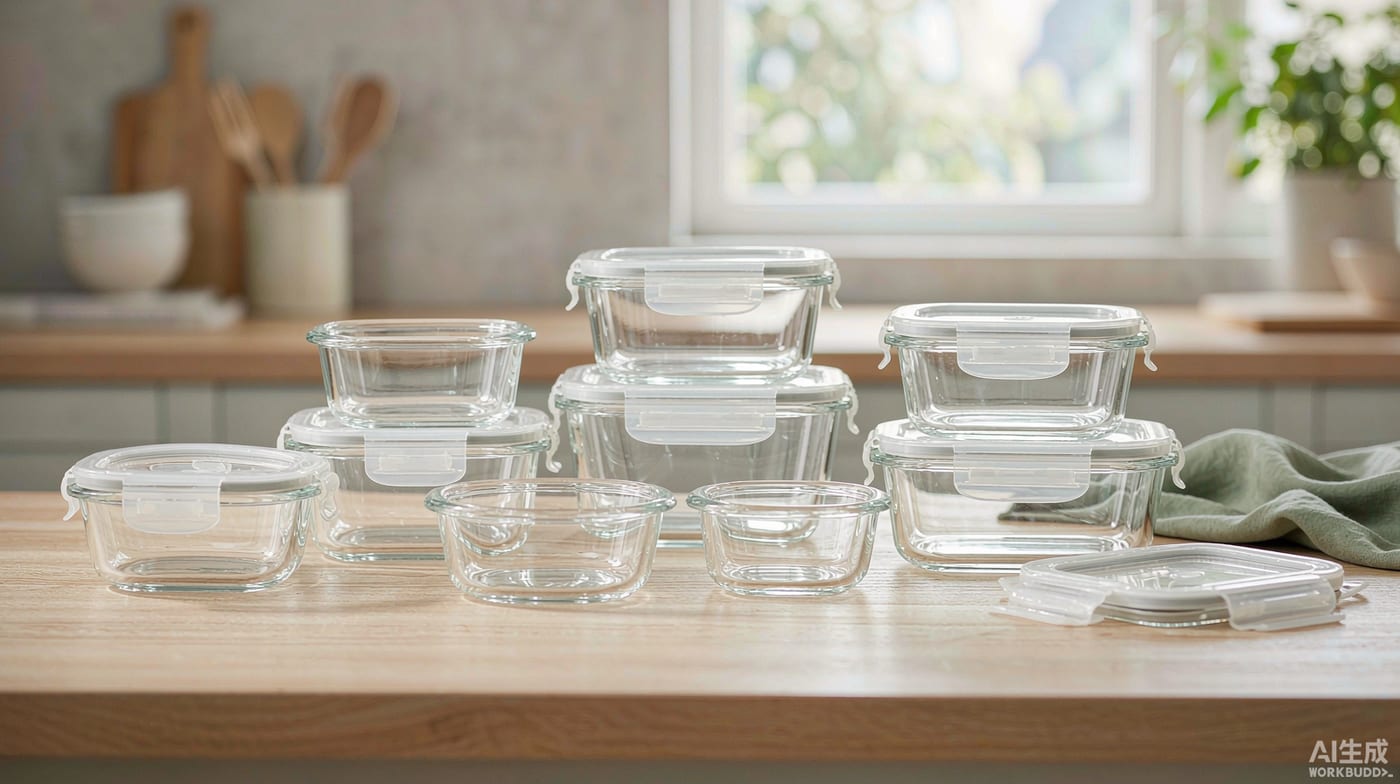
Households and private-label brands are rethinking the modern kitchen. The move away from single-use and petroleum-based plastic toward borosilicate glass food containers is no longer a niche preference — it is a mainstream sourcing decision driven by health, durability, and carbon concerns. This guide explains why glass is winning, how it compares to plastic, and what B2B buyers should specify when sourcing OEM/ODM glassware.
What Is Borosilicate Glass?
Borosilicate glass is a type of glass formulated with boron trioxide, giving it a very low coefficient of thermal expansion. In practice, that means it resists thermal shock — moving from freezer to microwave without cracking — and stays chemically inert, so it does not leach substances into food. GraceBoro's borosilicate glass food storage containers are produced under ISO 9001-certified processes for global distributors and private-label programs.
Why Brands Are Moving Away from Plastic
- Health: Heat and acidic foods can cause some plastics to migrate compounds such as BPA or plasticizers into food.
- Durability: Plastic scratches, stains, and retains odors; glass stays clear and reusable for years.
- Recycling: Most food-grade plastic is downcycled or landfilled, whereas glass is infinitely recyclable.
Borosilicate Glass vs Plastic: Side-by-Side
| Attribute | Borosilicate Glass | Plastic |
|---|---|---|
| Chemical leaching | None — inert & non-porous | Possible with heat / acids |
| Thermal shock | Excellent (freezer → microwave) | Warps or melts |
| Odor & stain | Does not retain | Retains over time |
| Recyclability | Infinitely recyclable | Often downcycled |
| Typical lifespan | Years of reuse | Months to a few years |
Heat Resistance and Daily Use
Borosilicate glass withstands oven, microwave, and freezer temperatures that warp or melt many plastics. Always check lid specifications per program — GraceBoro offers FDA- and LFGB-compliant lid options with flexible MOQs for custom projects.
The Sustainability Case
A reusable glass container replaces dozens or hundreds of disposable plastic tubs over its lifetime. Because borosilicate glass is inert and recyclable, it supports circular-economy goals that retailers and regulators in the EU and North America are increasingly demanding.
How to Specify Glass Containers for Your Brand
- Capacities: 300 ml, 520 ml, 800 ml, and 1,040 ml are the most requested retail sizes.
- Lids: Specify silicone or PP with FDA / LFGB certification; confirm microwave-safe rating.
- MOQ: GraceBoro supports low MOQs for first orders and scaling volumes for private label.
- Branding: Custom logo printing, color lids, and gift-box packaging are available via OEM/ODM.
Frequently Asked Questions
Is borosilicate glass safer than plastic for food storage?
Yes. Borosilicate glass is non-porous and chemically inert, so it does not leach flavor, odor, or chemicals into food — even with hot or acidic contents.
Can borosilicate glass go in the microwave and oven?
The glass body is microwave-, oven-, and freezer-safe and resists thermal shock. Lids vary by material, so confirm the lid rating before heating.
What MOQ does GraceBoro offer for OEM/ODM glass containers?
GraceBoro supports low minimum order quantities for initial orders, with volume scaling for established private-label programs. Contact the team via the inquiry form for a quote.
Is borosilicate glass recyclable?
Yes. It is endlessly recyclable like standard glass, supporting reuse and circular-economy commitments.
Start Your Sustainable Glass Program
GraceBoro is a borosilicate glass manufacturer serving global B2B buyers with ISO 9001 quality and Canton Fair 2026 exhibits. Explore products, review OEM/ODM options, or contact our team for pricing and samples.