 GraceBoro
Supplier Relationship Management: How to Upgrade from a “One-Off Deal” to a Strategic Partner of a Glass Factory
Building Long-Term Partnerships Through Trust, Innovation, Quality, and Supply Chain Collaboration Industry News | October 21, 2026
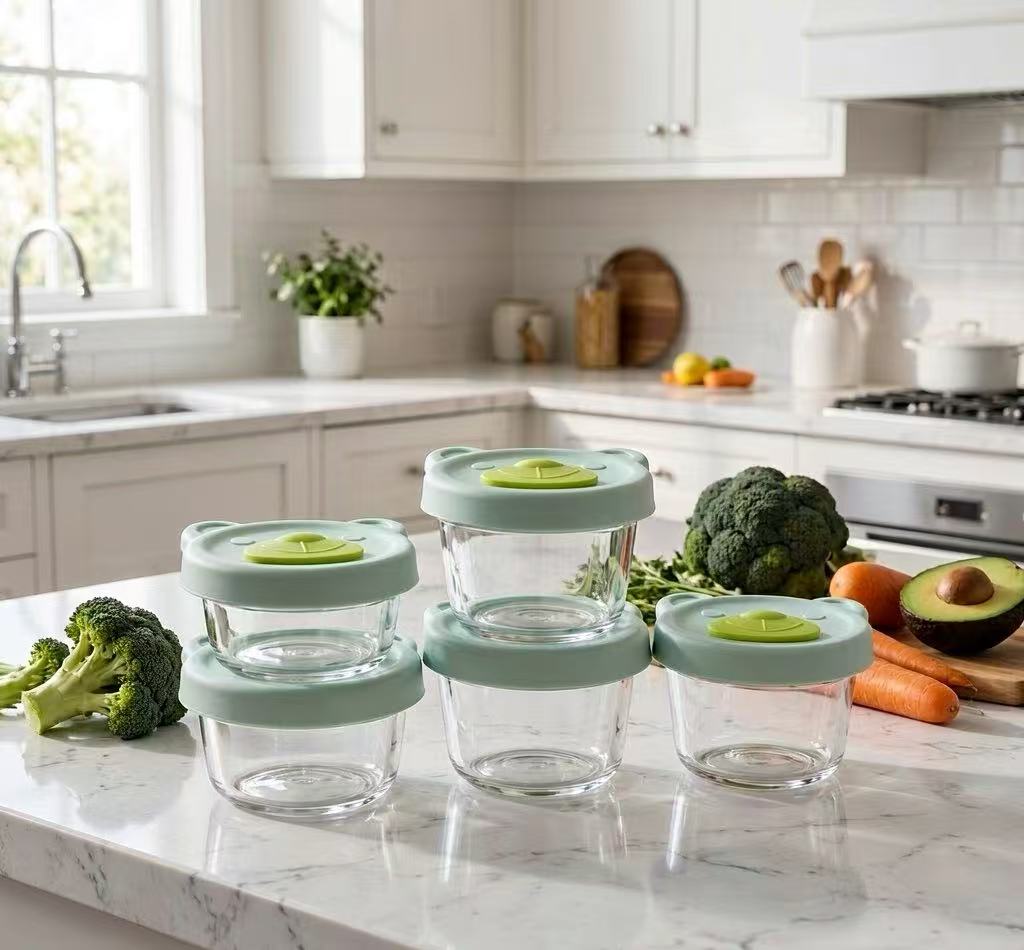
In today's increasingly competitive global glassware market, successful sourcing is no longer just about finding the lowest price. For international buyers, importers, distributors, and private-label brands, the real challenge is building a reliable supply chain that delivers consistent quality, competitive costs, flexible production capacity, and long-term business value.
For buyers of glass food storage containers and kitchenware, transforming a transactional relationship with a glass factory into a strategic partnership can create significant advantages. But how can buyers move beyond one-off orders and become long-term partners that manufacturers genuinely prioritize?
1. Move Beyond Price Negotiations and Focus on Mutual Value
Price is important, but it should not be the only foundation of a supplier relationship.
Repeatedly pushing for lower prices without considering production costs, material specifications, quality standards, and manufacturing efficiency can undermine long-term cooperation.
Strategic buyers take a broader approach. They evaluate the total cost of ownership, including product quality, packaging performance, transportation, defect rates, delivery reliability, and after-sales support.
For glass food storage containers, for example, buyers should consider not only the price of the glass body but also lid compatibility, sealing performance, packaging protection, dimensional consistency, and the suitability of the complete product for its intended market.
When buyers and manufacturers work together to reduce waste, improve packaging design, and optimize production processes, both sides can benefit from sustainable cost savings.
2. Build Trust Through Forecasting and Consistent Orders
Factories value customers who provide clear expectations and dependable business opportunities.
Instead of placing irregular orders with little advance notice, professional buyers can share rolling demand forecasts, seasonal sales expectations, new product development plans, and estimated reorder schedules.
Although forecasts cannot always guarantee purchase volumes, they help factories plan raw materials, production capacity, labor allocation, and inventory more efficiently.
In return, buyers can negotiate more favorable production scheduling, clearer lead times, improved communication, and greater supply continuity.
A practical approach is to begin with a trial order, evaluate the factory's performance, and gradually establish a recurring purchasing plan based on actual market demand.
The objective is not simply to buy more. It is to create a predictable and mutually beneficial business relationship.
3. Establish Clear Quality Standards and Joint Improvement Processes
Quality consistency is essential in the glassware industry, where product dimensions, glass appearance, edge finishing, lid fit, sealing performance, and packaging integrity can directly influence customer satisfaction.
Strategic partnerships require clearly documented specifications rather than informal expectations.
Buyers should establish approved samples, product drawings, acceptable tolerances, packaging requirements, inspection criteria, and procedures for handling nonconforming products.
For glass food storage containers, additional considerations may include thermal-shock performance, intended heating applications, applicable food-contact requirements, and safe-use instructions. Any performance claims should be supported by appropriate testing and documentation.
More importantly, both parties should review quality issues systematically. Instead of treating every defect as an isolated dispute, buyers and factories can investigate root causes, implement corrective actions, and track whether improvements are effective.
This approach transforms quality control from a cost of doing business into a source of competitive advantage.
4. Become a Development Partner, Not Just a Customer
One of the strongest ways to deepen a supplier relationship is to participate in product development.
Global buyers increasingly need differentiated products that reflect changing consumer preferences, retailer requirements, sustainability goals, and brand positioning.
In the glass food storage container sector, opportunities may include new shapes and capacities, stackable designs, improved lid systems, customized colors, upgraded gift packaging, and private-label collections.
Buyers can contribute market research, consumer feedback, sales data, and distribution insights. Factories can contribute manufacturing expertise, tooling knowledge, material recommendations, and production feasibility assessments.
By combining these capabilities early in the development process, both sides can reduce unnecessary sampling, shorten development cycles, and create products that are better suited to the target market.
Clear agreements covering tooling costs, intellectual property, product exclusivity, confidentiality, and ownership of custom designs are also important for protecting both parties' investments.
5. Improve Communication and Supply Chain Transparency
Many supplier relationships fail not because either party lacks capability, but because expectations are unclear or problems are communicated too late.
A strategic partnership should establish a regular communication mechanism covering order progress, production schedules, raw material availability, inspection results, shipment planning, and potential delays.
For international trade, buyers and manufacturers should also agree on documentation requirements, packaging marks, shipping terms, payment arrangements, and escalation procedures.
A simple monthly or quarterly business review can help both parties assess performance using measurable indicators such as:
On-time delivery rate
Product defect and return rates
Production lead-time consistency
Responsiveness to inquiries and quality issues
Cost improvement initiatives
New product development progress
Transparent communication allows problems to be identified earlier and resolved through collaboration rather than last-minute pressure.
6. Create a Fair Partnership with Shared Risks and Rewards
A genuine strategic partnership requires commitment from both sides.
Buyers may support a factory through more accurate forecasts, reasonable payment arrangements, timely approvals, and repeat business. Factories may respond with stable pricing mechanisms, priority production scheduling where feasible, dedicated technical support, and continuous quality improvement.
Both sides should discuss how to manage fluctuations in raw material costs, unexpected demand changes, urgent orders, product claims, and changes in regulatory requirements.
The goal is not to eliminate every commercial risk. It is to define responsibilities clearly and create fair mechanisms for managing risks when they arise.
Long-term cooperation becomes stronger when both parties can see how their own success contributes to the success of the other.
7. Build a Strategic Partnership Step by Step
Not every supplier needs to become a strategic partner immediately. The relationship should develop through demonstrated performance and increasing levels of cooperation.
A practical progression includes four stages:
Stage One: Supplier Evaluation. Assess manufacturing capabilities, quality systems, production capacity, export experience, communication, and compliance documentation.
Stage Two: Trial Orders. Verify product quality, packaging performance, delivery reliability, and responsiveness under real purchasing conditions.
Stage Three: Repeat Business. Introduce demand forecasts, standardized specifications, performance reviews, and continuous improvement initiatives.
Stage Four: Strategic Collaboration. Jointly develop products, coordinate capacity planning, share market insights, establish longer-term commercial arrangements, and explore opportunities for sustainable growth.
This structured approach reduces the risk of premature commitments while allowing trusted suppliers to become increasingly important partners.
Conclusion: From Purchasing Transactions to Sustainable Growth
The difference between an ordinary supplier and a strategic partner is not determined by order size alone. It is built through consistent performance, mutual trust, transparent communication, shared objectives, and a willingness to improve together.
For glass factories, strategic customers offer more than sales revenue: they can provide market intelligence, repeat demand, product development opportunities, and access to new markets.
For international buyers, strategic manufacturing partners offer more than production capacity: they provide a foundation for reliable quality, differentiated products, stronger supply chain resilience, and long-term competitiveness.
In a rapidly changing global marketplace, companies that invest in supplier relationship management will be better positioned to move beyond short-term price competition and build lasting commercial value.
At Gracefuleast, we believe that successful sourcing is about building relationships that create value for both buyers and manufacturers. By combining market insight, product development, quality management, and long-term supply chain collaboration, we aim to turn individual transactions into sustainable business partnerships.
The future of sourcing is not simply about finding a factory that can produce a product. It is about finding a partner who can grow with your business.